
What do all the different Pride flags stand for?
For many, the evolution of Pride flags reflects an evolving understanding of visibility, solidarity and intersectionality.
For many, the evolution of Pride flags reflects an evolving understanding of visibility, solidarity and intersectionality.
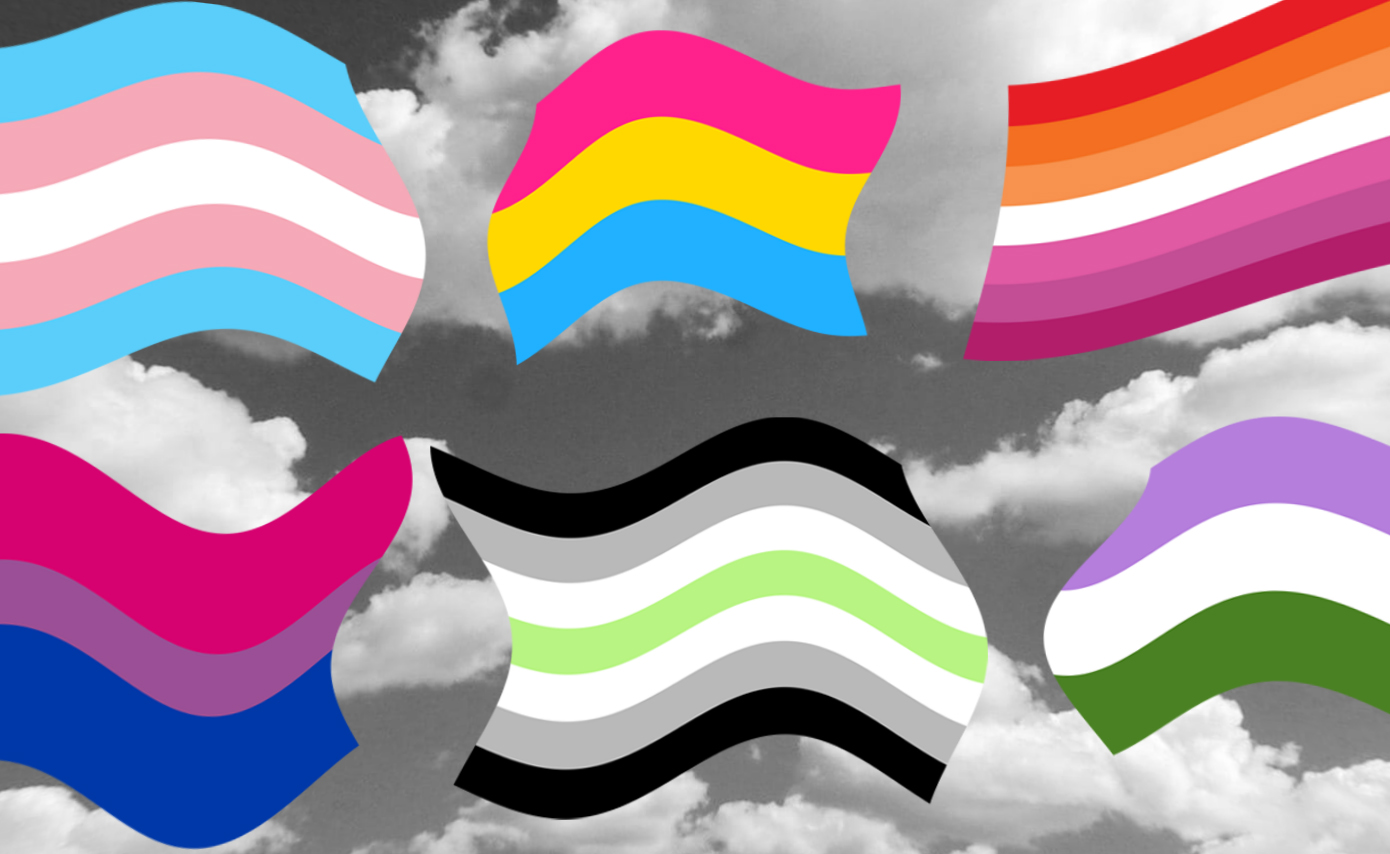
Each year, the rainbow Pride flag is flown at Pride events around the world to reflect the beauty, resilience and diversity of the LGBTQIA+ community.
Since artist and gay rights activist Gilbert Baker created the original eight-stripe flag in 1978, designers and advocates have introduced new iterations and variations to better represent specific identities and communities within the broader LGBTQIA+ umbrella. Not everyone agrees with these additions, some argue that the original rainbow already encompasses all identities. But for many, the evolution of Pride flags reflects an evolving understanding of visibility, solidarity and intersectionality.
When we spoke to Amber Hikes, creator of the eight-stripe More Colour More Pride flag, she explained the importance of distinct symbols for different LGBTQIA+ communities. “This eight-stripe flag is not a replacement, in the same way that those other flags didn’t replace the original," she said. "Instead, it is a way to symbolise, to highlight, and to stand in solidarity with these other identities."
“That is literally the purpose of any flag we have – to stand as a symbol for an identity, whether it’s a country, a municipality, a company, it stands as a symbol to recognise and highlight the experiences of this entity. The existence of this flag doesn’t take away from anybody else’s identity. It only adds to great inclusion.”
We’ve collected a list of Pride flags that have become widely recognised across our vibrant community. Of course, this list isn’t exhaustive, new flags continue to emerge as language and understanding evolve, but consider this a helpful guide for the next time you see one of these powerful symbols flying at Pride.
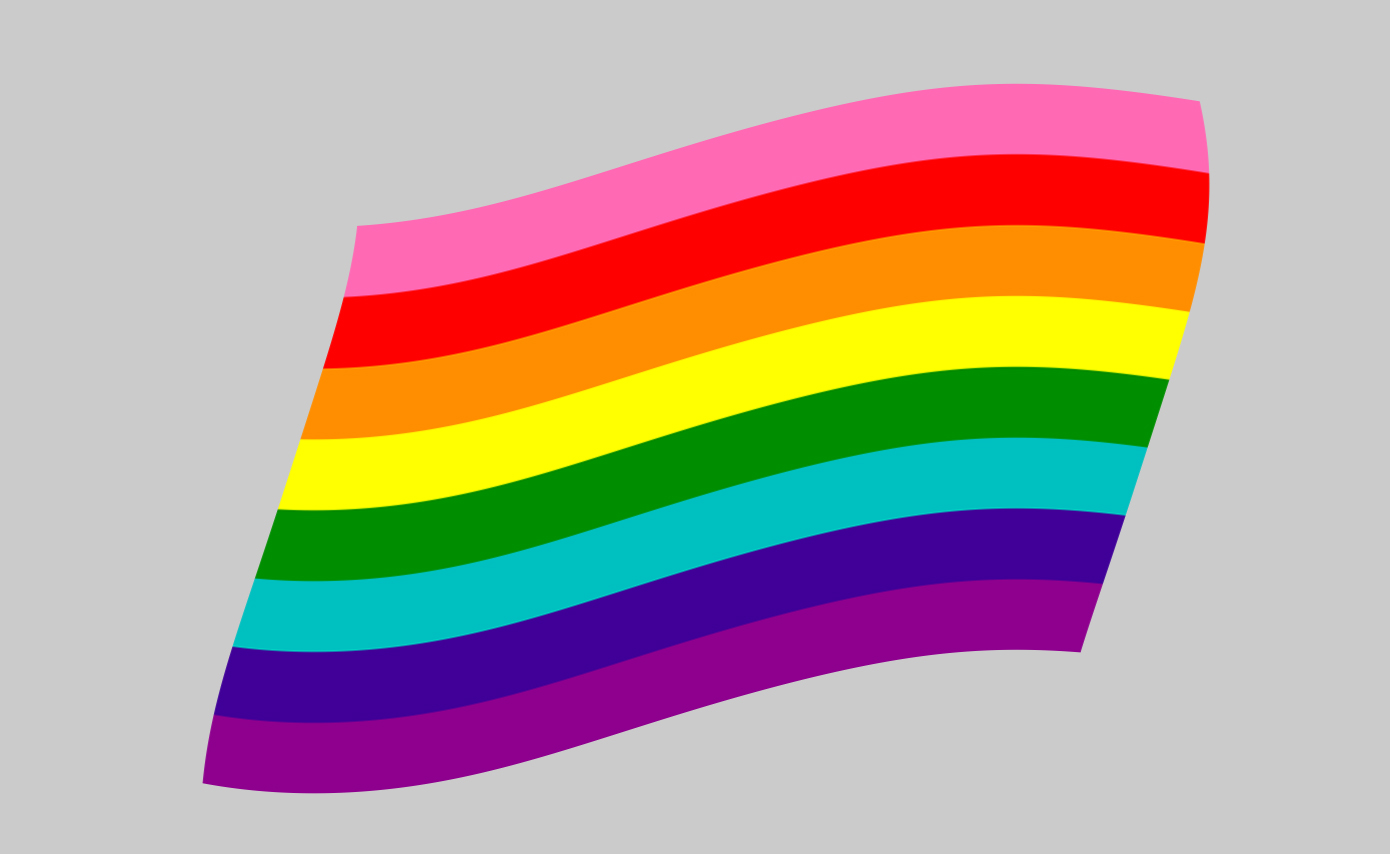
First unveiled at the 1978 San Francisco Gay Freedom Day Parade (now known as San Francisco Pride) on 25 June 1978, the original eight-stripe rainbow flag was created by American artist and gay rights activist Gilbert Baker to reflect the diversity, hope and liberation of the LGBTQIA+ community.
According to Baker, each stripe carried its own meaning: hot pink represented sex; red, life; orange, healing; yellow, sunlight; green, nature; turquoise, magic; blue, serenity; and violet, spirit.
Following his death in 2017, California state senator Scott Wiener said Baker was instrumental in defining “the modern LGBT movement”.
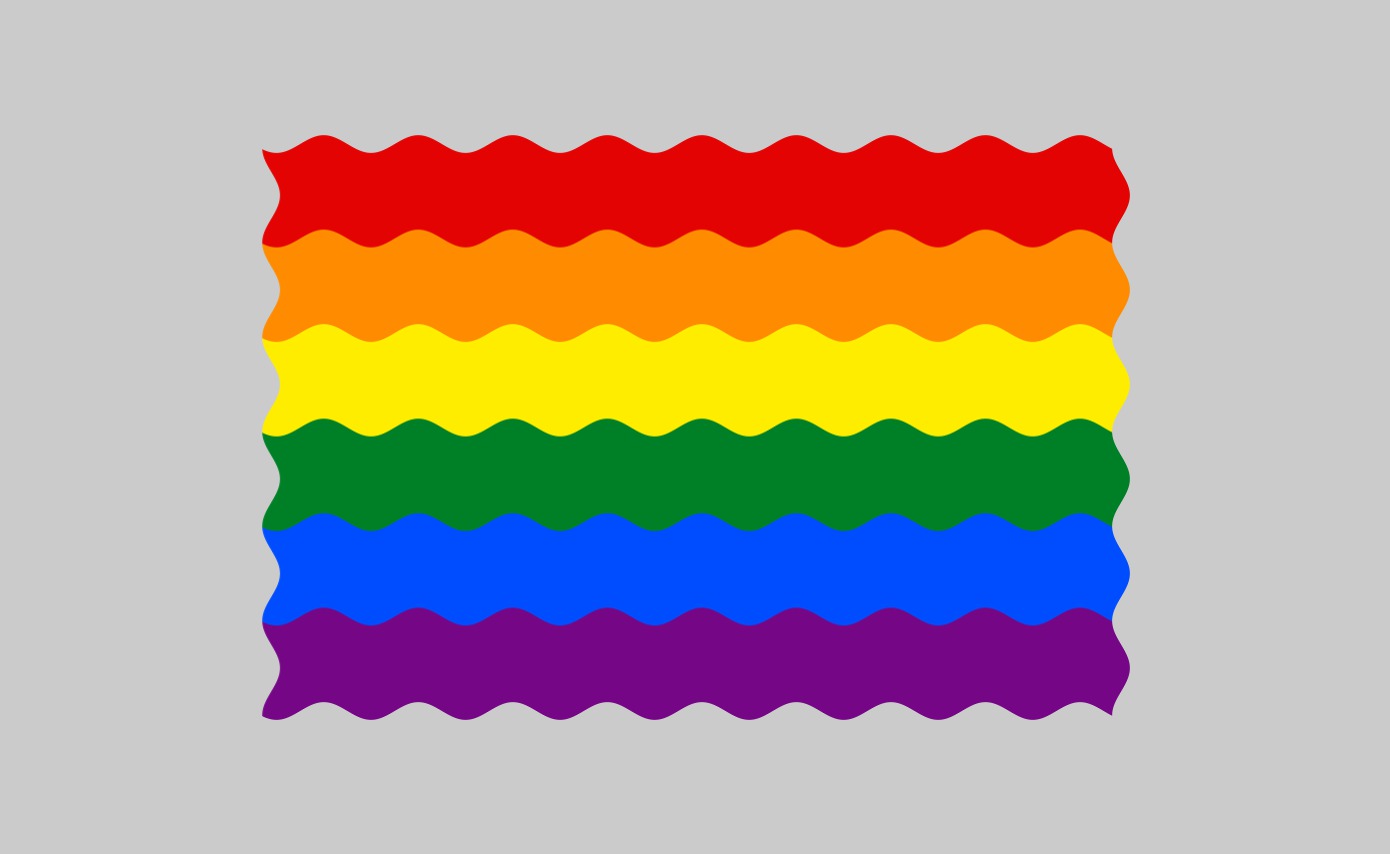
In 1979, the original eight-stripe design created by Gilbert Baker was modified into a six-stripe version, the iteration most widely recognised today.
The hot pink stripe was first removed due to difficulties sourcing the fabric. The following year, the turquoise stripe was also taken out so the remaining colours could be split evenly when the flags were displayed along parade routes. The resulting six-stripe rainbow — red, orange, yellow, green, blue and violet — became the standard version reproduced and flown around the world.