
'As a queer hockey fan, Heated Rivalry is leading me back to the sport I once walked away from'
Just Like Us ambassador Rush Mittal on growing up queer in hockey culture, and how Heated Rivalry offers permission to love the sport again.
Just Like Us ambassador Rush Mittal on growing up queer in hockey culture, and how Heated Rivalry offers permission to love the sport again.


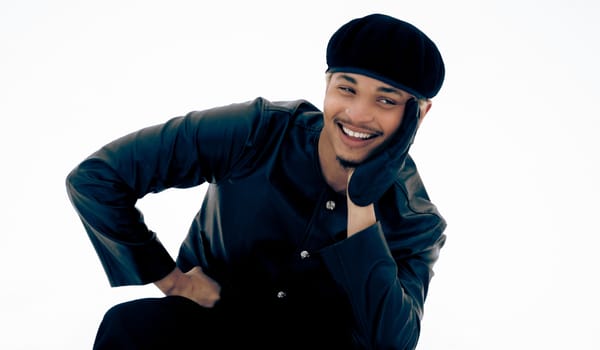
Words by Rush Mittal, Just Like Us ambassador
For many queer fans, sport is something we learn to love sideways. We grow up adoring the drama, the rivalry, the emotional rollercoaster, while quietly absorbing the message that it’s a space that wasn’t meant for us. Sport gave me belonging early on, especially ice hockey, but it also taught me how conditional that belonging could be.
Having played some hockey growing up, I was a devoted fan of the NHL for years. Being up at odd hours of the night to catch my favourite teams playing live was nothing unusual.
But, alongside the thrill of the game sat something heavier: a culture of toxic-masculinity, homophobia, and hostility towards marginalised fans. Loving hockey often meant separating the athletes from their achievements, and choosing not to examine the league’s politics. If my identity existed as a room, my love for hockey and my queerness sat at opposite ends, carefully avoiding each other.
Heated Rivalry, a fictional love story between two male ice hockey stars, shouldn't feel this radical in 2026. The series has drawn a new, largely queer audience towards a sport that has historically made it clear we were not welcome. It has done what decades of vague “inclusion statements” failed to do: imagine queer athletes as complex, competitive, and central to the story.